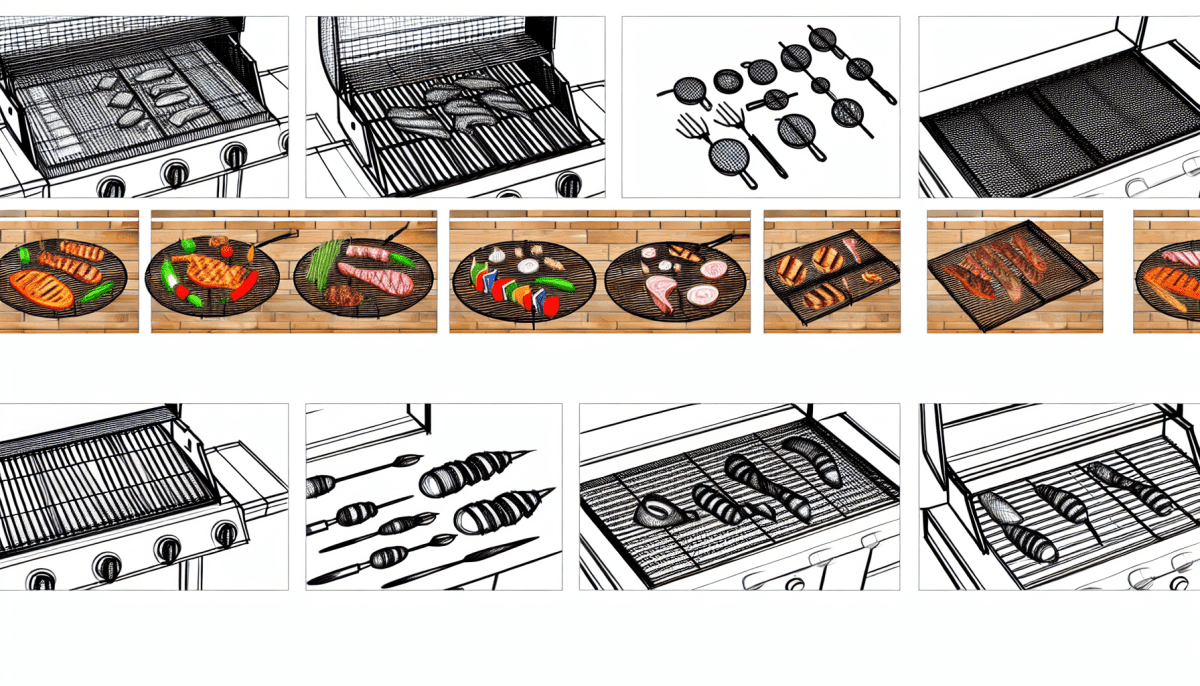
When it comes to grilling, the material of your grill grate can make a big difference in how your food turns out. Here’s a quick rundown of some common materials to help you make the best choice for your BBQ outings.
Steel Grates are super popular and for good reason! They heat up quickly and retain heat well, making them great for searing. You’ll find them available in both stainless and carbon steel. Stainless steel is super durable and resistant to rust, but carbon steel can provide better heat conduction. Just keep in mind that carbon steel needs a bit more care to prevent it from rusting.
Cast Iron Grates are another favorite, especially for those who love getting those classic grill marks on their steaks. They hold heat like champs and provide excellent heat retention. Just remember, they can be a bit heavy and require seasoning to keep them in good shape. A little oil before and after grilling goes a long way to prevent sticking and rust.
Porcelain-Coated Grates offer a nice blend of durability and easy cleaning. These grates have a layer of porcelain that helps prevent food from sticking. They heat evenly and are easier to maintain, making them a solid choice if you want less fuss. Just make sure not to use metal utensils on them, as they can chip and lose their coating.
Finally, we have Aluminum Grates. They are lightweight and conduct heat well, but they don’t hold onto heat like steel or cast iron. While they can rust, they are often more affordable and can be great for casual grilling. Just think about how much grilling you plan to do before going for aluminum.
Size Matters for Your Grill Grate
When it comes to grilling, size definitely matters—especially when we're talking about your grill grate. Choosing the right size can make a world of difference in your cooking experience. If your grate is too small, you’ll find yourself juggling food or struggling to fit everything on there, leading to uneven cooking. That’s a major bummer, especially when you have friends over for a backyard BBQ!
On the flip side, going too big can be just as tricky. An oversized grate might not heat properly, leaving you with cold spots and a frustrating grill experience. It can also make it harder to manage your food, too. So, what’s the sweet spot? You want a grill grate that fits your grill perfectly, allowing for maximum heat distribution and easy maneuvering.
To get the right size, start by measuring your grill’s cooking area. Grab a tape measure and check both the length and width of the space where your grate will go. It’s also a good idea to consider how you like to cook. Do you usually throw on a few burgers or do you prefer to grill multiple dishes at once? Knowing your cooking style will help you decide if you need a grate that’s a bit larger or more versatile.
Don’t forget to check the height of your grill, too. If you’re using a charcoal grill, a taller grate may be more beneficial for managing indirect heat. On the other hand, for gas grills, a standard height usually works just fine. By understanding your grill's dimensions and your cooking habits, you’ll set yourself up for a delicious grilling experience every time!
Easy Cleaning Tips for Grill Grates
Grill grates are the heart of a great barbecue, but keeping them clean can be a bit of a hassle. Luckily, there are some easy tips that can make the task much simpler. Here’s how to keep your grill grates in top condition with little effort!
1. Preheat Before You Clean
One of the easiest ways to make cleaning a breeze is to preheat your grill. Before you start cooking, fire it up on high for about 15 minutes. This helps to loosen any stuck-on food and makes scraping them off much easier when you’re ready to clean.
2. Use a Good Grill Brush
Investing in a sturdy grill brush is a must! Look for one with heavy-duty bristles. Once your grill has cooled down a bit, scrub the grates to remove the residue. A grill stone can also do wonders if you’re dealing with particularly stubborn spots.
3. Try the Onion Trick
If you're looking for a natural cleaning method, the onion trick is a favorite! Cut an onion in half and use a fork to hold it. Rub the cut side over the hot grates. The juices help to clean and season the grates at the same time. Plus, it adds a nice aroma!
4. Soak and Scrub
For deeper cleaning, give your grates a soak in warm, soapy water. Let them sit for a while, then scrub off the grime with a sponge or brush. Rinsing them off and letting them dry properly will keep rust at bay. It’s a straightforward way to keep your grates looking great for your next barbecue!
Finding the Right Fit for Your BBQ
Choosing the right grill grates can make all the difference in your BBQ experience. With so many options out there, it's easy to feel overwhelmed. But don't worry! Let's break it down and find the perfect fit for your needs.
First up, consider the material. Common choices are cast iron, stainless steel, and porcelain-coated grates. Each has its perks:
Next, think about the size. You want grates that will fit your grill snugly. Measure the dimensions of your grill's cooking area before purchasing. This way, you won’t have any surprises when it arrives!
Lastly, check the grate's design. Some come with wider slats for grilling veggies or fish, while others feature smaller grids to prevent smaller items from falling through. Choose based on what you plan to grill the most. It’s all about finding what suits your BBQ style!